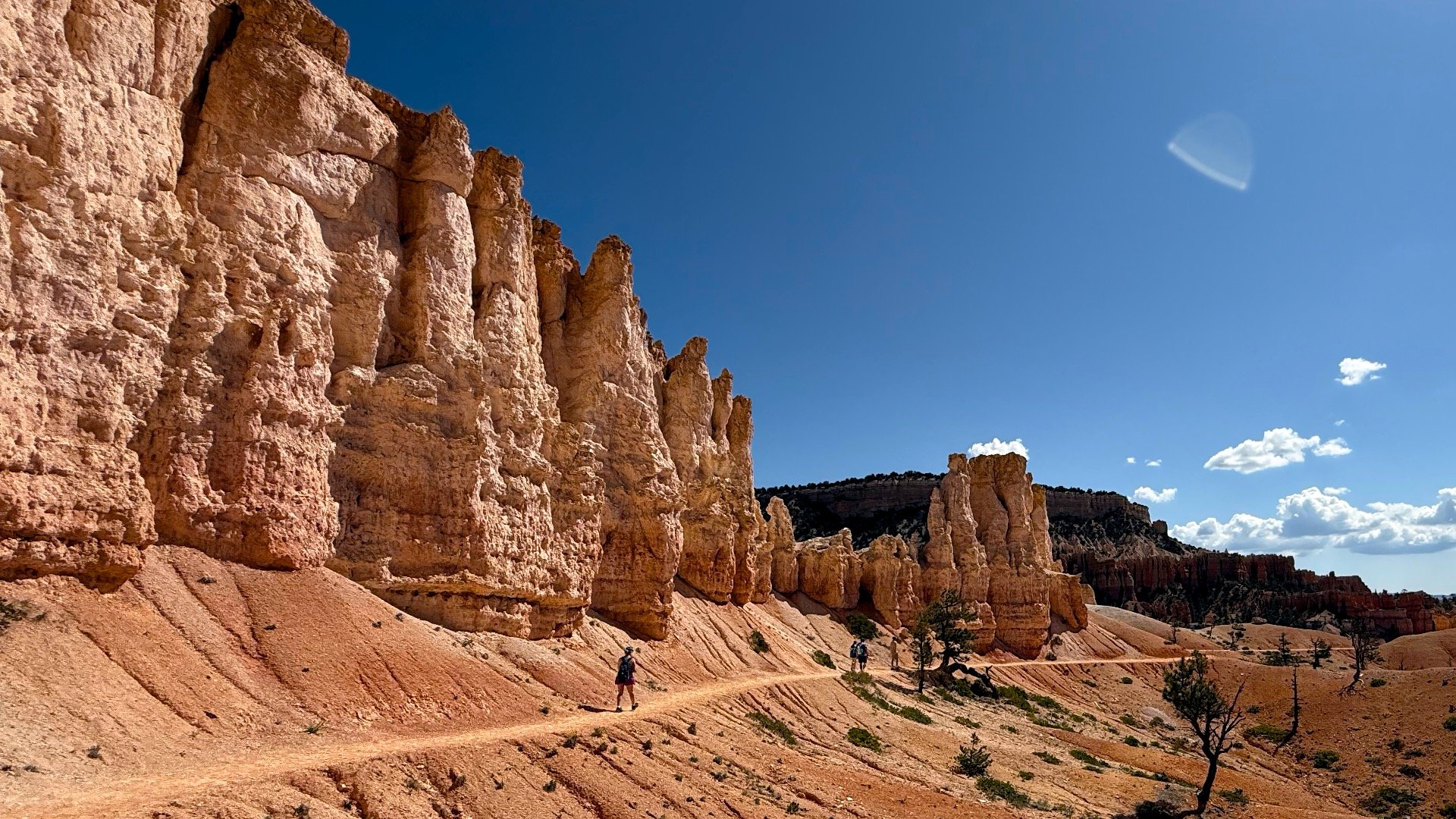
Fairyland Loop Trail: Bryce Canyon's Best Views Below The Rim
Bryce Canyon National Park is renowned for its otherworldly landscapes, but to truly immerse yourself in its magic, you need to venture below the rim. The
Fairyland Loop Trail offers precisely that – an unforgettable journey deep into a whimsical world of towering hoodoos and vibrant canyons. While many visitors marvel at Bryce's iconic formations from above, this lesser-known gem invites you to walk among them, providing an intimate perspective that few other trails can match. If you're seeking one of the most rewarding and visually stunning hikes in Bryce Canyon, the Fairyland Loop Trail deserves a top spot on your itinerary.
Why the Fairyland Loop Trail is a Must-Do in Bryce Canyon
The Fairyland Loop Trail is not just a hike; it's an immersive experience that transports you into the heart of Bryce Canyon's unique geology. Unlike the more popular, shorter trails along the rim, this loop trail takes you directly into the amphitheater, winding up, down, and amongst the famous hoodoos. This below-the-rim perspective allows for a truly unparalleled view, making you feel tiny in comparison to the majestic, orange-hued spires that loom overhead.
Many avid hikers return to the Fairyland Loop Trail again and again, captivated by its ever-changing beauty. It's often described as a "hidden gem" or an "underrated" hike, offering a chance to escape the larger crowds found at more accessible viewpoints. Imagine having long stretches of trail to yourself, with only the rustle of the wind and the grandeur of nature for company. This sense of solitude amplifies the feeling of stepping into a magical fairyland, a name that perfectly suits the trail.
The scenery along the
Fairyland Loop Trail is nothing short of spectacular. You'll witness a stunning contrast of colors: the brilliant orange and pink hues of the hoodoos against the deep green of scattered pine trees. If you visit in early spring or late fall, you might even be treated to patches of snow in the distance, adding a layer of crisp white to the already vibrant palette, creating photographic opportunities that are simply breathtaking. For those seeking a comprehensive breakdown, our
Fairyland Loop Trail Guide: Hike Bryce Canyon's Magical Hoodoos provides even more granular detail on navigating this incredible path. Often touted as
Bryce Canyon's Underrated Immersive Hoodoo Hike, its allure lies in its ability to transport you completely.
Navigating the Fairyland Loop: Trail Details and Logistics
Before embarking on this incredible journey, it's essential to understand the specifics of the
Fairyland Loop Trail to ensure a safe and enjoyable experience.
Trail Statistics and Difficulty
The Fairyland Loop Trail is approximately
7.8 miles long and features an elevation gain of around
1,545 feet. It is generally rated as having a
moderate difficulty. While not the shortest or easiest hike in the park, the effort is undeniably worth the reward. Be prepared for consistent elevation changes, with numerous ascents and descents as you navigate the varied terrain.
Starting Point
The trail officially departs from
Fairyland Point, located just off the main park road, north of the Bryce Canyon Visitor Center. From Fairyland Point, the trail immediately descends into Fairyland Canyon, signaling the start of your immersive adventure. There's also an option to start from Sunrise Point and connect via the Rim Trail, but Fairyland Point is the most common and direct access for the loop.
Best Time to Hike
*
Spring (April-May) and Fall (September-October): These seasons offer the most comfortable hiking temperatures, fewer crowds, and stunning photographic opportunities with vibrant foliage or lingering snow. Early spring can still be chilly with potential for snow; late fall brings crisp air and often clear skies.
*
Summer (June-August): Summers can be hot, especially midday. Start early in the morning to beat the heat and the crowds. Always carry plenty of water.
*
Winter (November-March): The trail can be challenging due to snow and ice. While beautiful, it often requires specialized gear like microspikes or snowshoes. Always check current trail conditions with the park service before attempting a winter hike.
What to Bring
Given the length and elevation changes of the Fairyland Loop Trail, proper preparation is key:
*
Water: Bring significantly more water than you think you'll need. There are no water sources on the trail.
*
Snacks: Energy-rich snacks are crucial for maintaining your stamina.
*
Sturdy Hiking Boots: Good ankle support and grip are essential for the uneven and sometimes loose terrain.
*
Layers of Clothing: Bryce Canyon's high elevation (8,000 to 9,000 feet) means weather can change rapidly. Layers allow you to adapt to temperature fluctuations.
*
Sun Protection: A wide-brimmed hat, sunglasses, and sunscreen are vital, as much of the trail is exposed.
*
Map and Navigation: While generally well-marked, carrying a physical map or having a downloaded trail map on your phone is always a good idea.
*
Camera: You'll want to capture the breathtaking scenery!
Dogs on the Trail
Like most U.S. National Parks, dogs are unfortunately not allowed on the hiking trails at Bryce Canyon, including the Fairyland Loop Trail. Please plan accordingly and make arrangements for your furry friends.
The Magic of Hoodoos: Understanding Bryce Canyon's Geologic Wonders
The true stars of the
Fairyland Loop Trail are the hoodoos – magnificent, irregular columns of rock that give Bryce Canyon its iconic, otherworldly appearance. Often referred to as "fairy chimneys" (particularly in places like Cappadocia, Turkey) or "earth pyramids," these unique formations are found in only a handful of places on Earth. Their existence is a testament to millions of years of specific geological and climatic conditions.
How Hoodoos Are Formed
The formation of hoodoos is a slow, intricate dance between soft sedimentary rock and the relentless forces of nature:
1.
High Elevation, Freezing Temperatures: Bryce Canyon sits at a staggering 8,000 to 9,000 feet above sea level. This high altitude leads to extreme temperature swings, with temperatures dipping below freezing on an average of 200 nights each year.
2.
Water Seepage: Rain and meltwater seep into the cracks and joints of Bryce's porous sedimentary rock, primarily limestone.
3.
Freeze-Thaw Cycle (Ice Wedging): When the water freezes, it expands by nearly 9%. This expansion exerts immense pressure on the surrounding rock, gradually widening cracks and prying apart rock fragments – a process known as ice wedging or frost shattering.
4.
Erosion: Over time, the cracked and weakened rock is further eroded by rainwater, wind, and gravity. Differential erosion plays a key role; harder, more resistant layers of rock protect the softer layers beneath, leading to the distinctive pillar-like shapes. The softer rock erodes more quickly, leaving the capstone of harder rock perched atop a slender column.
This continuous cycle of freezing, thawing, and erosion, occurring over millions of years, sculpts the soft rock into the whimsical, often supernatural-looking formations that inspired the "fairyland" moniker. Walking among these geological masterpieces on the Fairyland Loop Trail provides a profound appreciation for the forces that shaped this incredible landscape.
Planning Your Bryce Canyon Adventure: Beyond the Fairyland Loop
Bryce Canyon National Park is located in southwest Utah and is a cornerstone of any great Utah national parks road trip. Getting there typically requires a rental car, as there is no public transportation directly to the park.
Getting There
*
From Salt Lake City: Approximately a 4-hour drive.
*
From Las Vegas: Approximately a 4-hour and 20-minute drive.
*
Airport: The closest major airports are in Salt Lake City (SLC) or Las Vegas (LAS). Renting a car from either location is highly recommended.
Connecting with Other Parks
Bryce Canyon is perfectly situated to be part of a grand road trip through Utah's Mighty 5 National Parks:
*
Zion National Park: Just a 2-hour drive west, Zion offers a stark contrast with its towering sandstone cliffs and river-carved canyons.
*
Capitol Reef National Park: Also about 2 hours away, Capitol Reef features a unique geologic monocline known as the Waterpocket Fold.
*
Grand Canyon National Park: While further south (North Rim is closer), it's a popular addition to a longer itinerary.
*
Arches and Canyonlands National Parks: These are located in eastern Utah, a bit further but often combined for an epic adventure.
Accommodation and Park Tips
*
Accommodation: Options range from lodging inside the park (Bryce Canyon Lodge, campgrounds) to hotels and motels in nearby towns like Bryce Canyon City, Tropic, and Panguitch. Book well in advance, especially for peak season.
*
Early Start: Arriving early in the morning is always a good idea, not just for hiking the Fairyland Loop Trail, but for securing parking and experiencing the viewpoints before the midday crowds.
*
Park Shuttle: Bryce Canyon operates a free shuttle bus that services the main viewpoints and visitor center during peak season. Consider utilizing it to ease parking stress.
*
Check Conditions: Always check the official Bryce Canyon National Park website for current trail conditions, weather forecasts, and any alerts or closures before your visit.
The
Fairyland Loop Trail is more than just a hike; it's an unparalleled journey into the very heart of Bryce Canyon's magic. It offers an intimate, immersive perspective of the park's iconic hoodoos that cannot be fully appreciated from the rim. From its challenging yet rewarding terrain to its vibrant geological tapestry and the serene solitude it offers, this trail promises an unforgettable adventure. Prepare yourself, embrace the effort, and you'll discover why the Fairyland Loop Trail truly provides Bryce Canyon's best views below the rim. Don't just see Bryce Canyon – *experience* it from the inside out on this incredible trail.